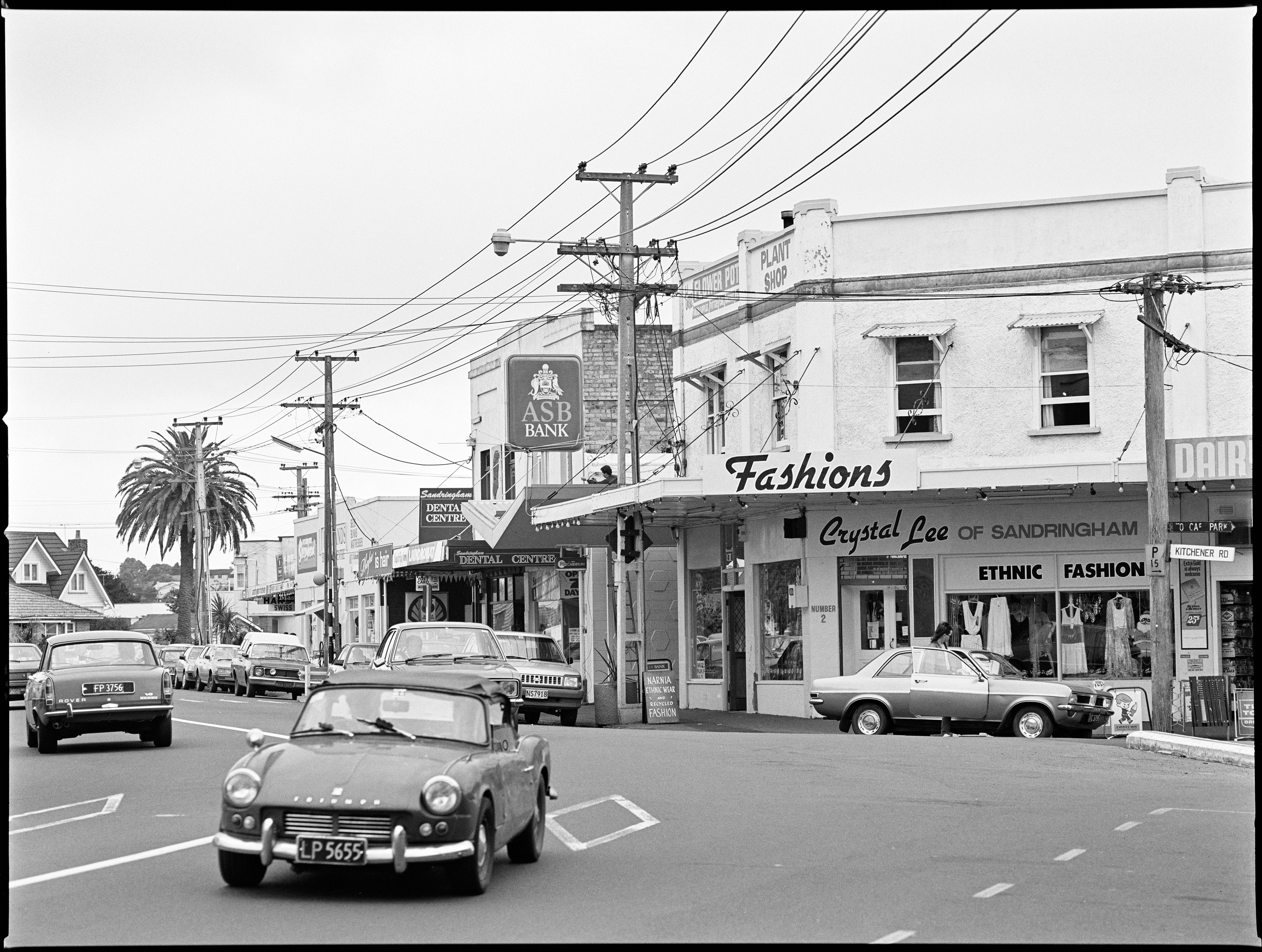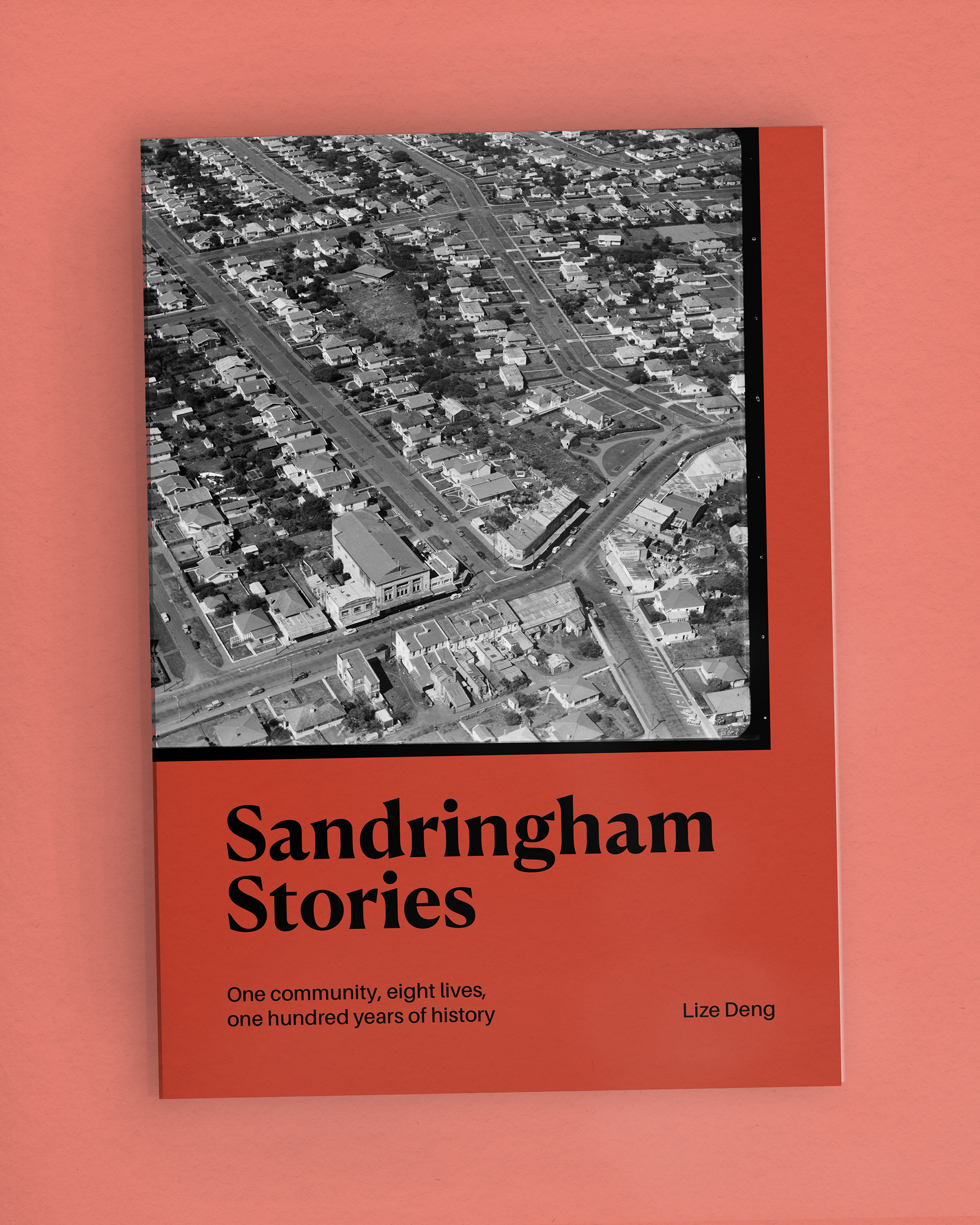
Combining interviews with original and archival photographs, Sandringham Stories follows the lives of eight Sandringham residents set against the backdrop of an evolving community.
When Hugh Anderson’s grandfather arrived in New Zealand in the early 1900s, he settled in an Auckland suburb known as Edendale, which was then little more than flood-prone farmland. In the 1920s, with the arrival of drainage infrastructure, a school, and a tramline down Edendale Road, the area was renamed Sandringham. It is here that our story begins.
Sandringham Stories is a narrative history project that explores the suburb's history and celebrates the people who make up our community. The book is grounded in the recollections of eight past and present residents of Sandringham: Alison, Fay, Helga, Hugh, Mark, Rānana, Robert, and William. Some of their families have lived in Sandringham for generations; others moved here from small farming communities and railway junctions. What they have in common is a strong sense of the way this community has shaped their lives.
This project is made possible by funding from the Albert-Eden Local Board's Neighbourhood Arts programme, with support from the Sandringham Project in Community Empowerment (SPiCE). You can purchase a copy here.
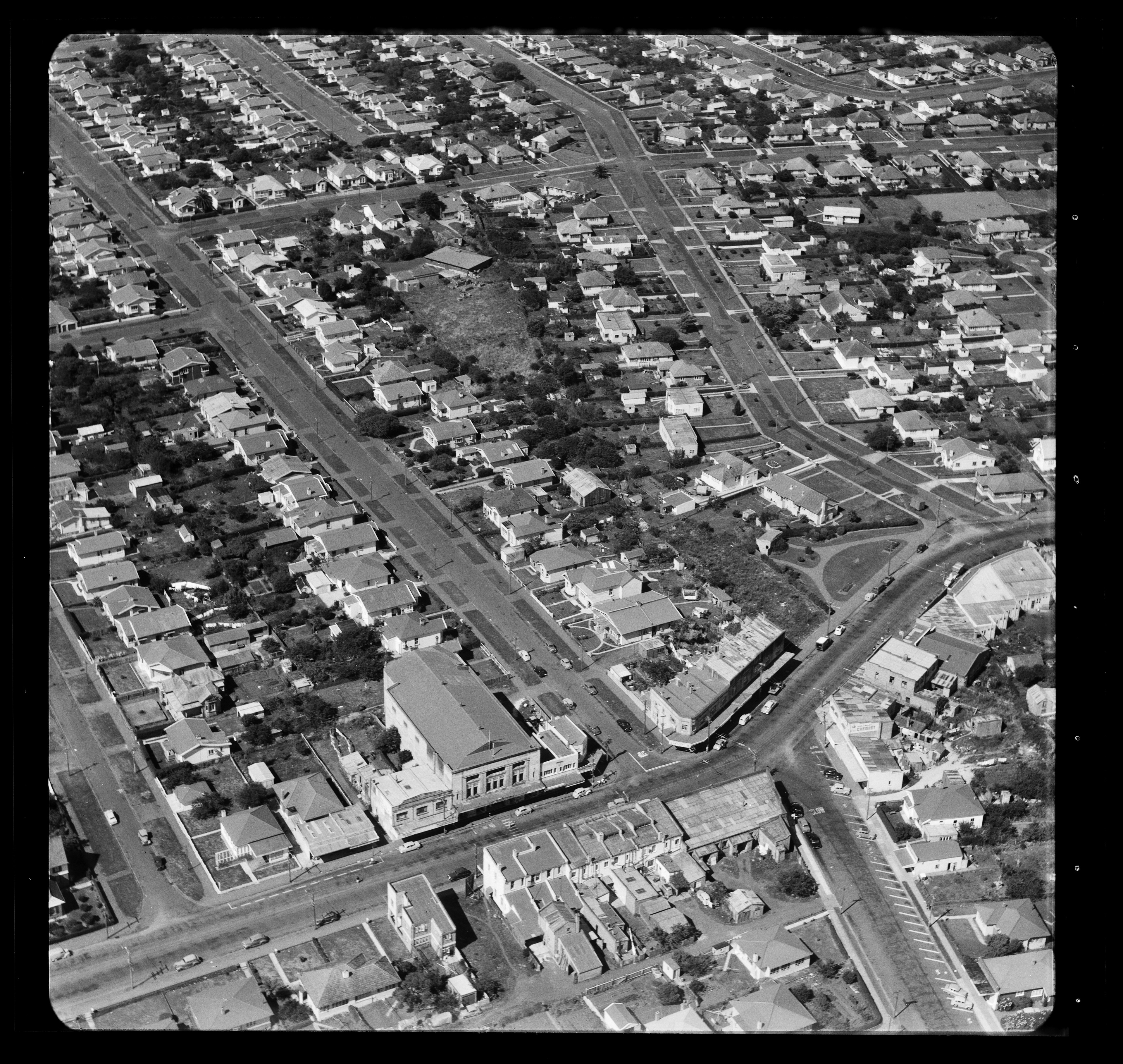
Photograph from the Whites Aviation collection, circa 1957, showing the Sandringham shops with the Mayfair Theatre in the foreground. The intersection of Sandringham and Kitchener Roads can be seen in the bottom right third. Alexander Turnbull Library WA-43969.
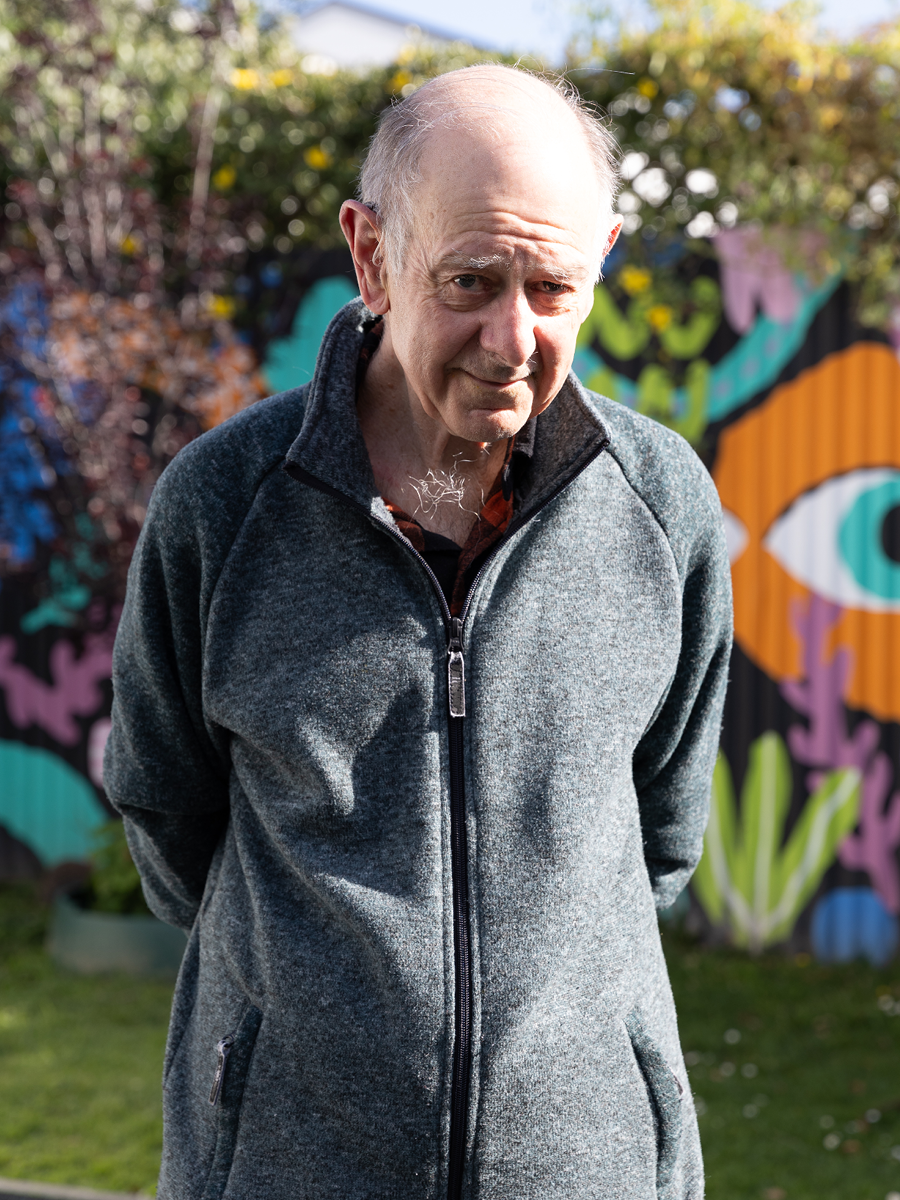
Hugh Anderson photographed at the Sandringham Community Centre in October 2024. Hugh is the third generation of his family to live in Sandringham. His grandfather and father ran a tailoring shop in Sandringham Village. Photograph by the author.
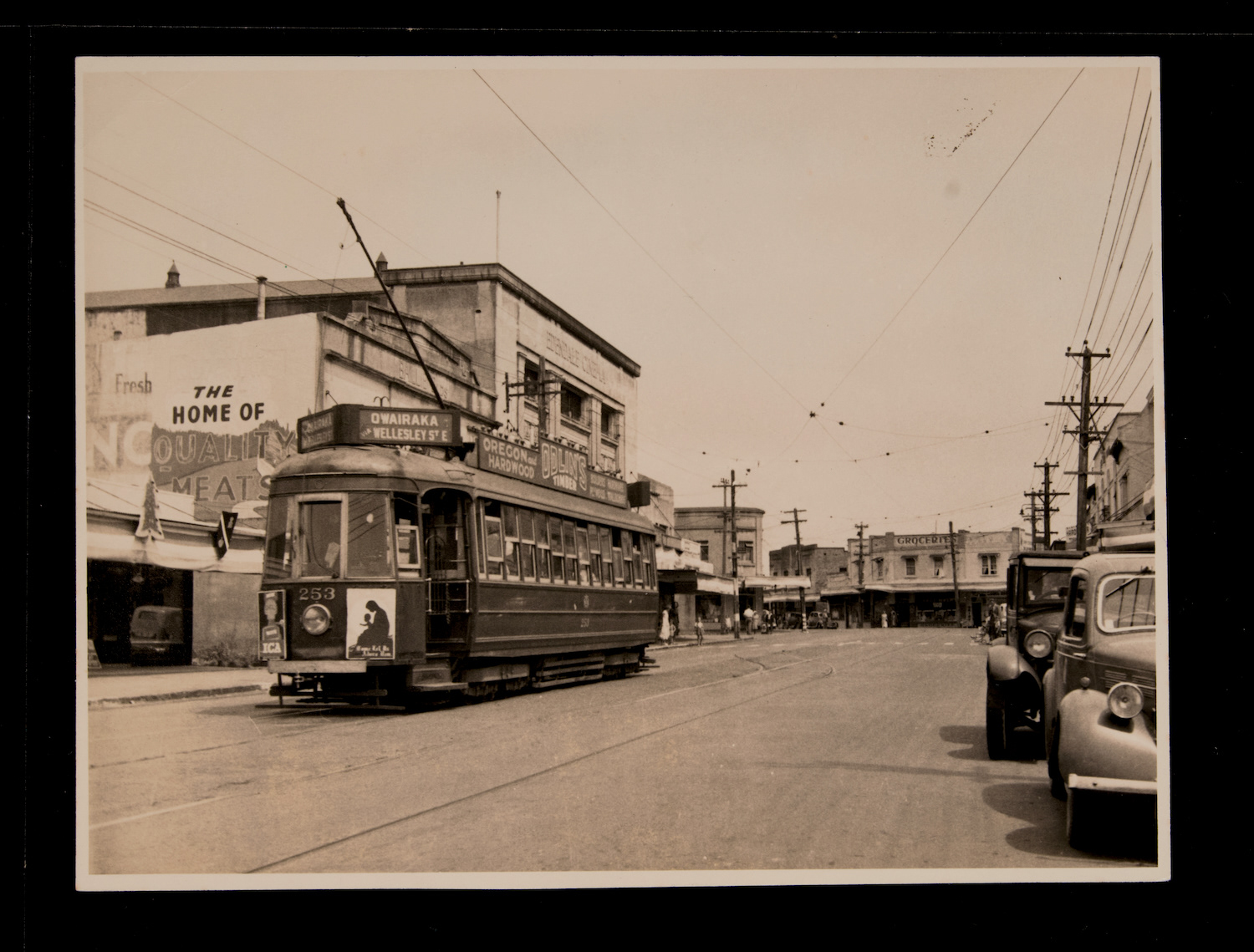
Photograph taken by Graham Stewart in 1953, showing tram 253 in Sandringham Village. Walsh Memorial Library; The Museum of Transport and Technology (MOTAT) PHO-2020-19.204.
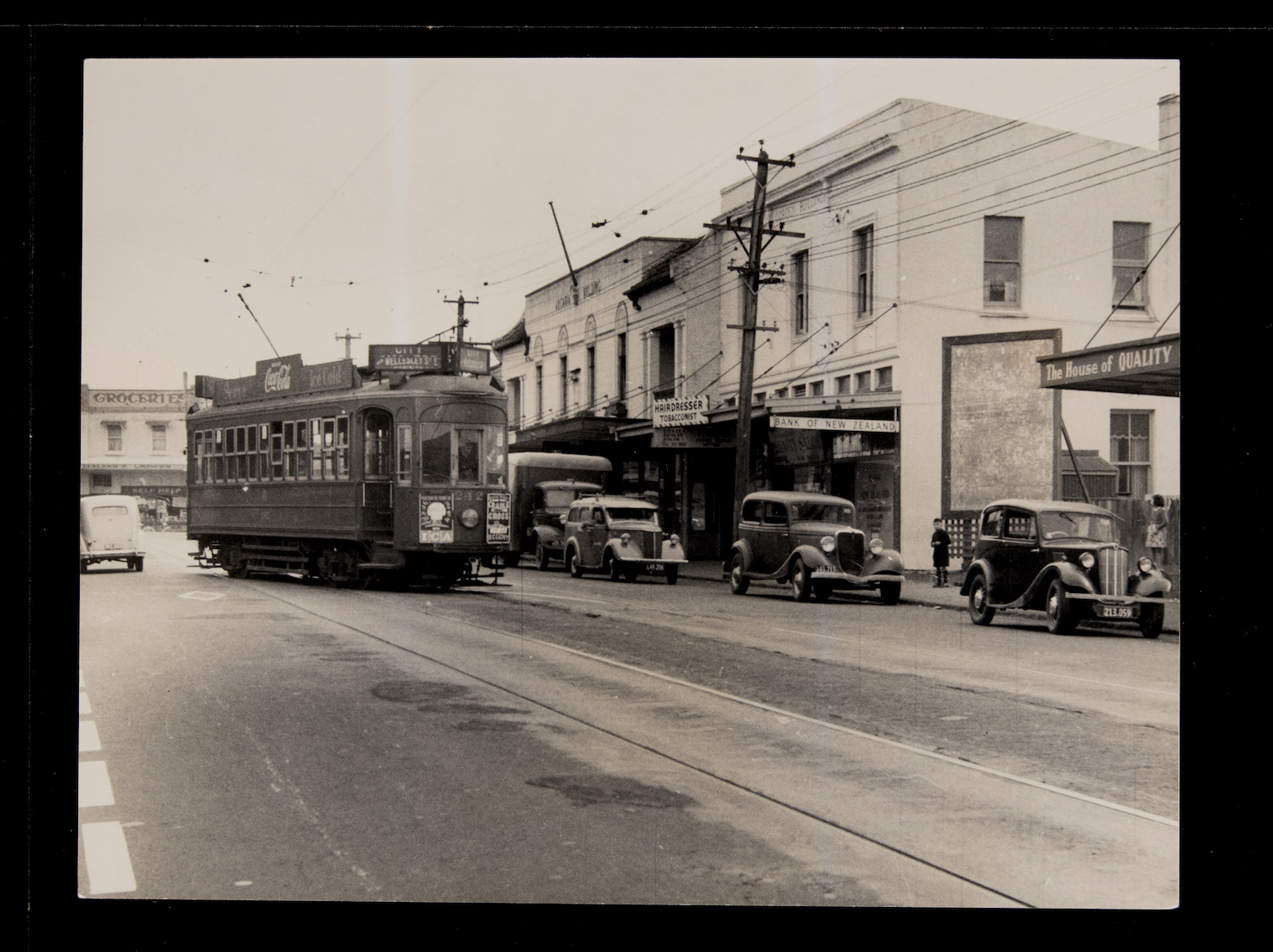
Photograph taken by Graham Stewart in 1953, showing Tram 242 in Sandringham Village. Walsh Memorial Library; Museum of Transport and Technology (MOTAT) PHO-2020-19.203.
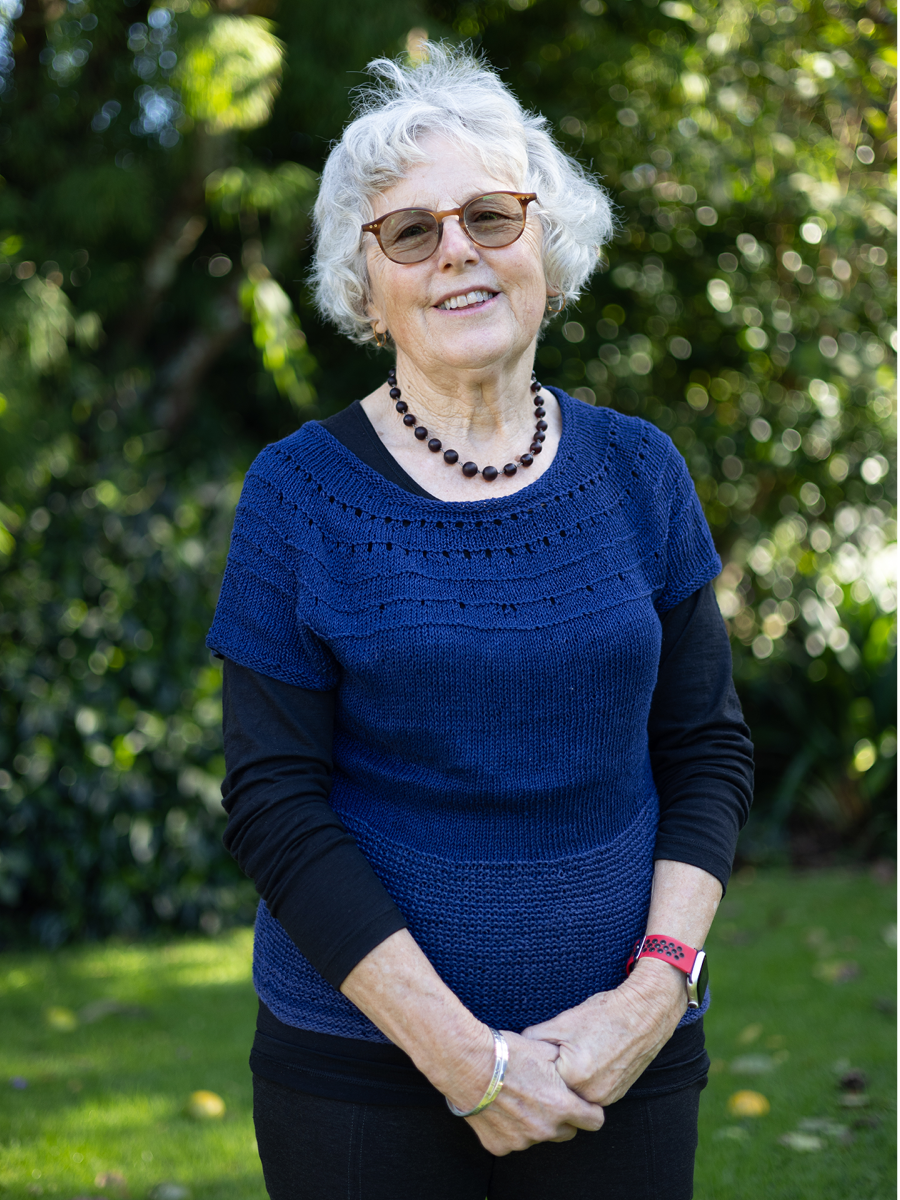
Helga Arlington photographed outside her home in May 2025. Helga is a long-time resident of Sandringham and was one of the founding trustees for the Sandringham Project in Community Empowerment (SPiCE). Photograph by the author.
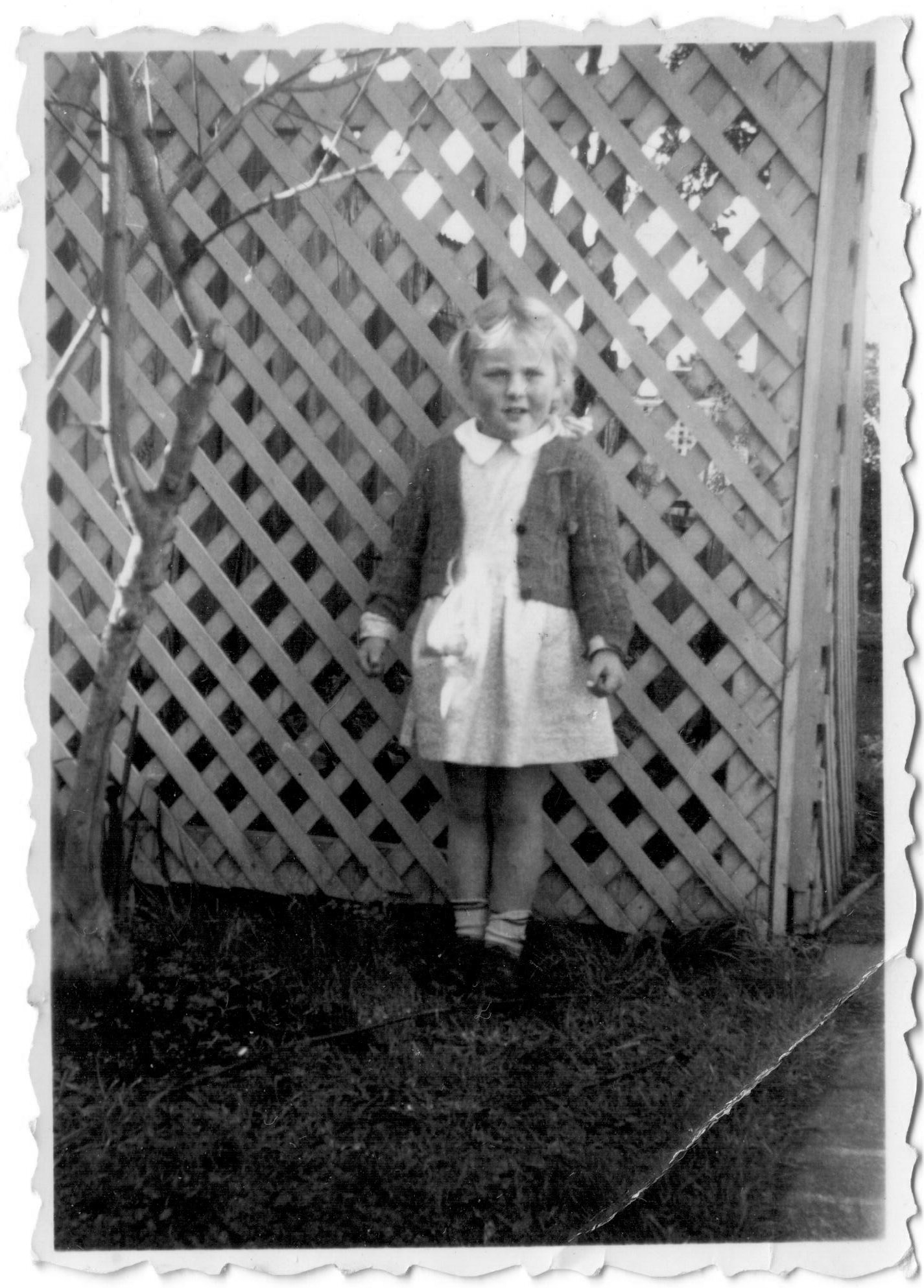
Photograph of Helga Arlington, circa 1956. Helga was born in 1950 in Marton, where she lived until she moved to Auckland to study at the University of Auckland in 1967.
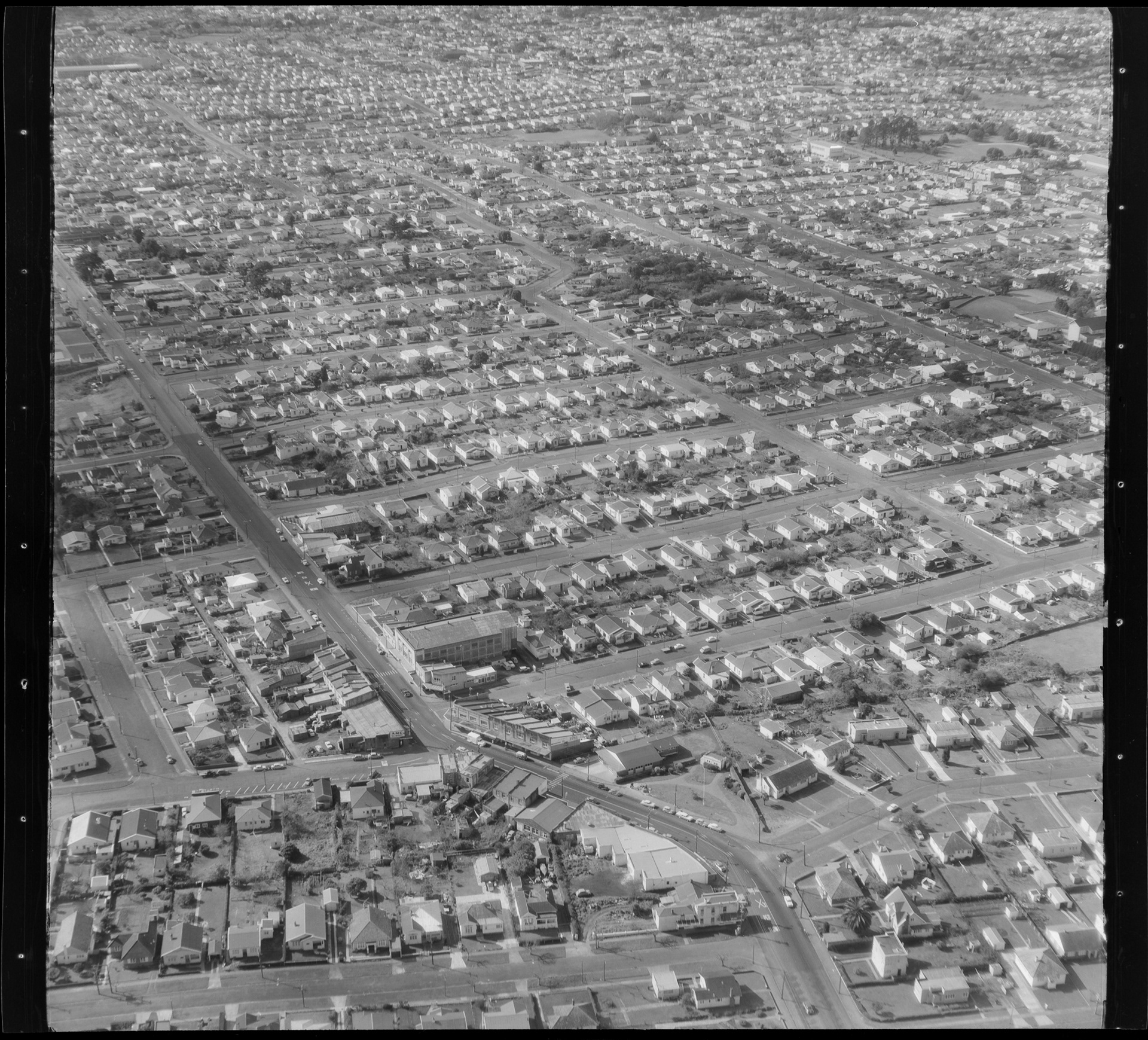
Photograph from the Whites Aviation collection, taken in 1961, showing the Sandringham shops in the foreground. Alexander Turnbull Library WA-55693-F.
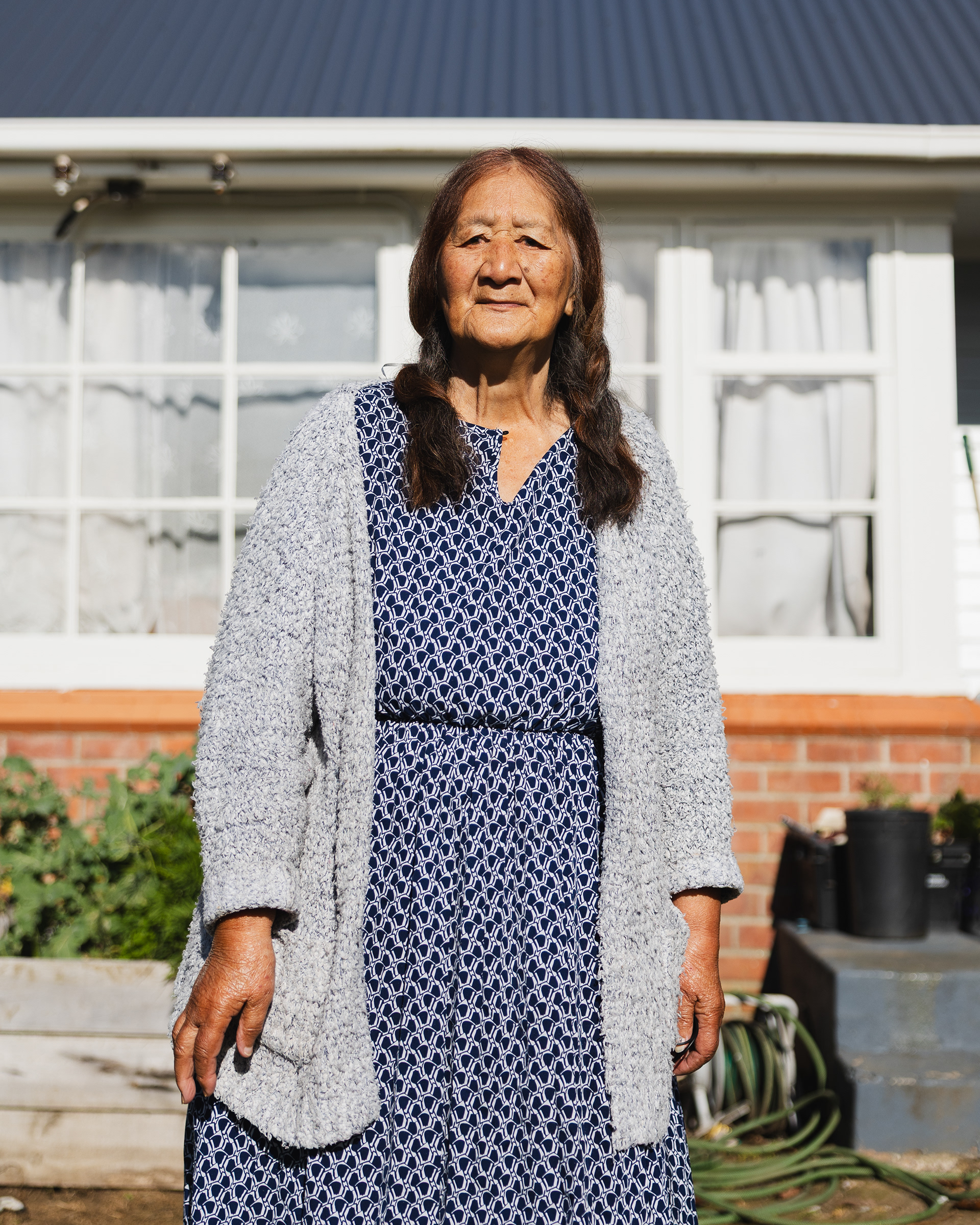
Rānana Taituha-Paul photographed outside her home in July 2026. She has lived in Sandringham for more than thirty years and was previously the co-coordinator for the Sandringham Community Market. Photograph by the author.
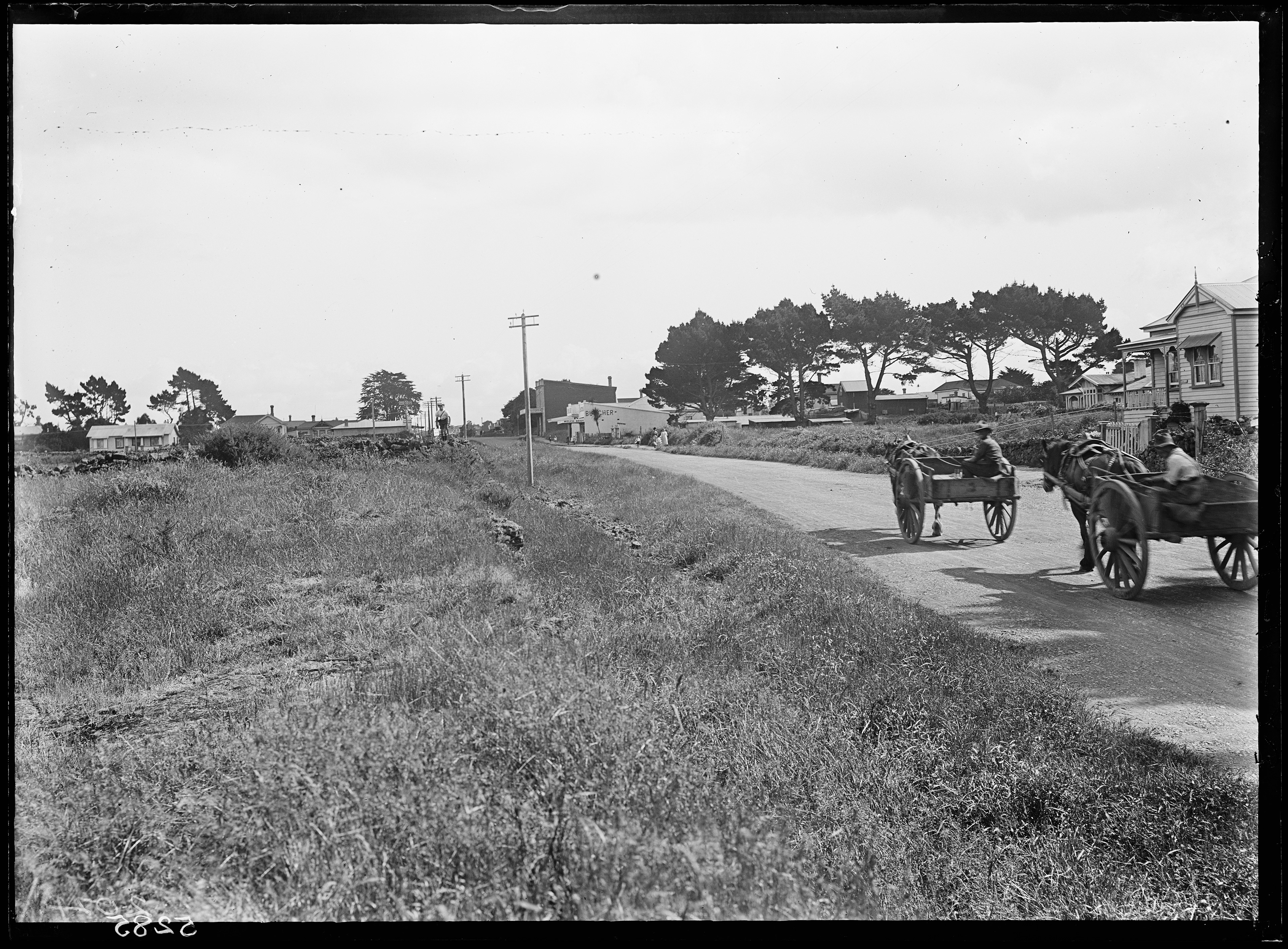
Photograph taken by James Douglas Richardson in 1923, looking south along Edendale Road (Sandringham Road) from the vicinity of Truro Road. Auckland Libraries Heritage Collections 4-05285.
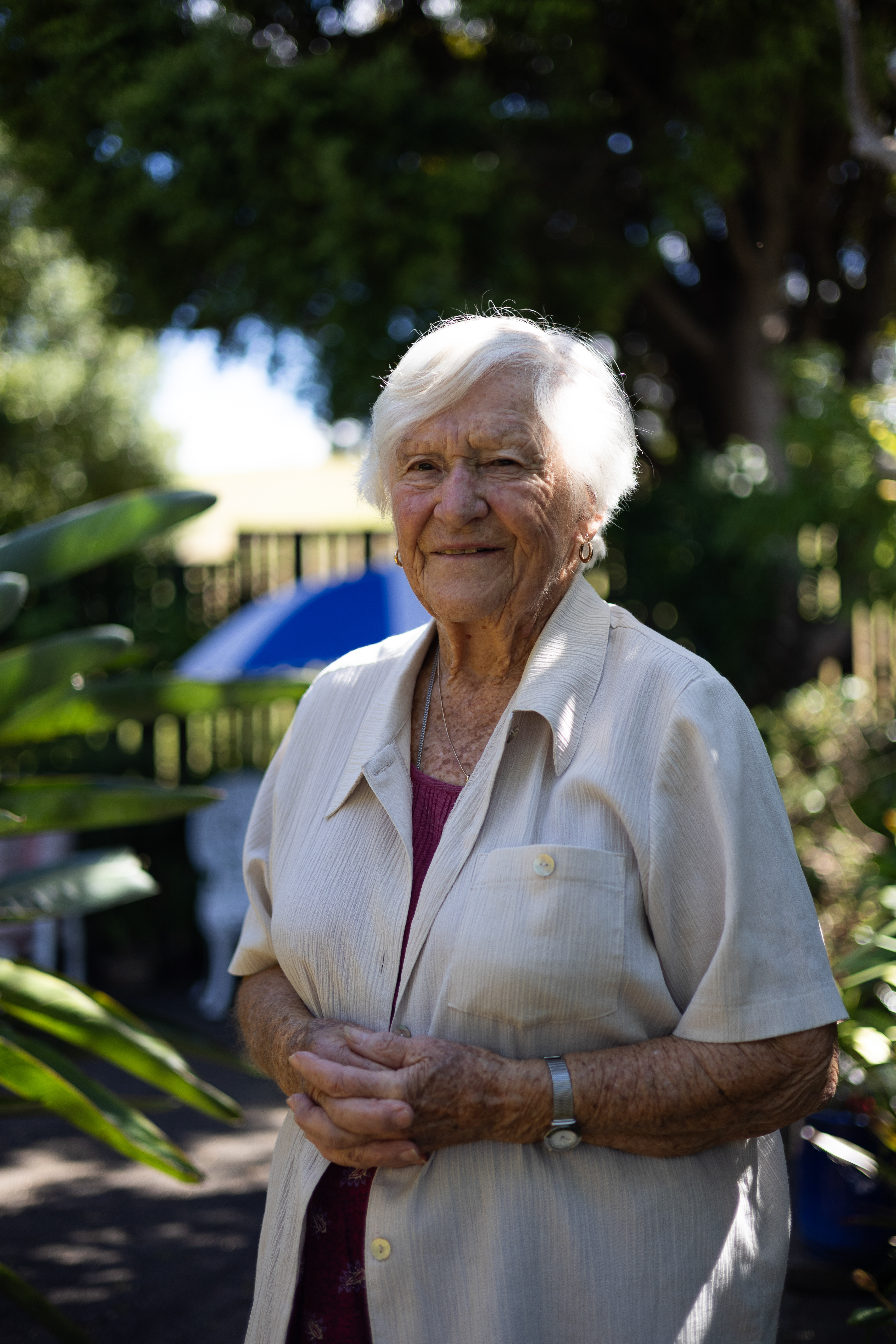
Fay Chapman photographed outside her home in March 2025. Her mother’s family were long-time residents of Sandringham, and Fay visited the area often as a child. Photograph by the author.
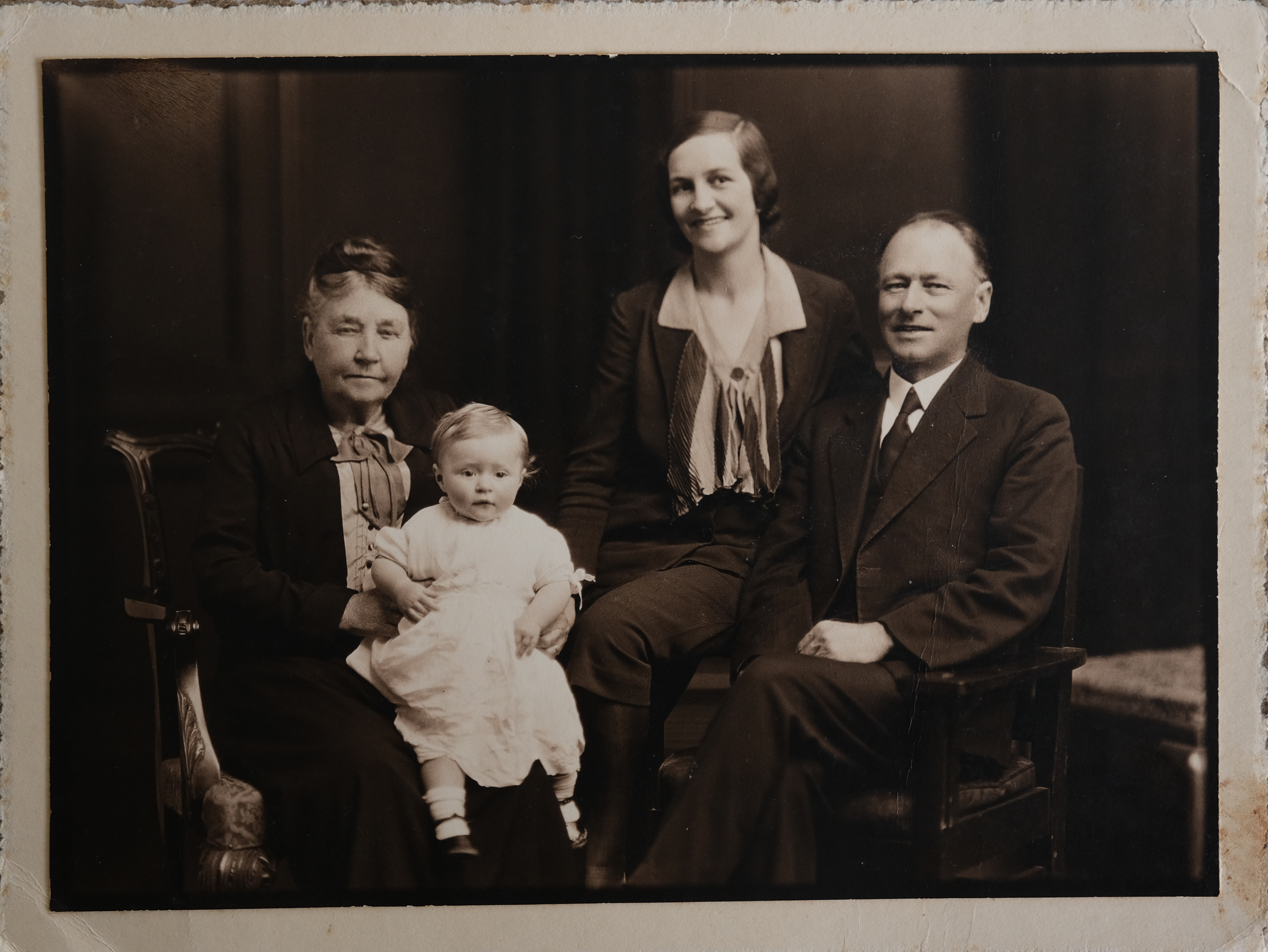
Four generations of the Yeo family in 1931. From left: Elizabeth Jane Yeo (née Garden), Margaret Fay Chapman (née Lewis), Eileen Mary Lewis (née Yeo), and John Charles Yeo. Fay is twelve months old in this photo.
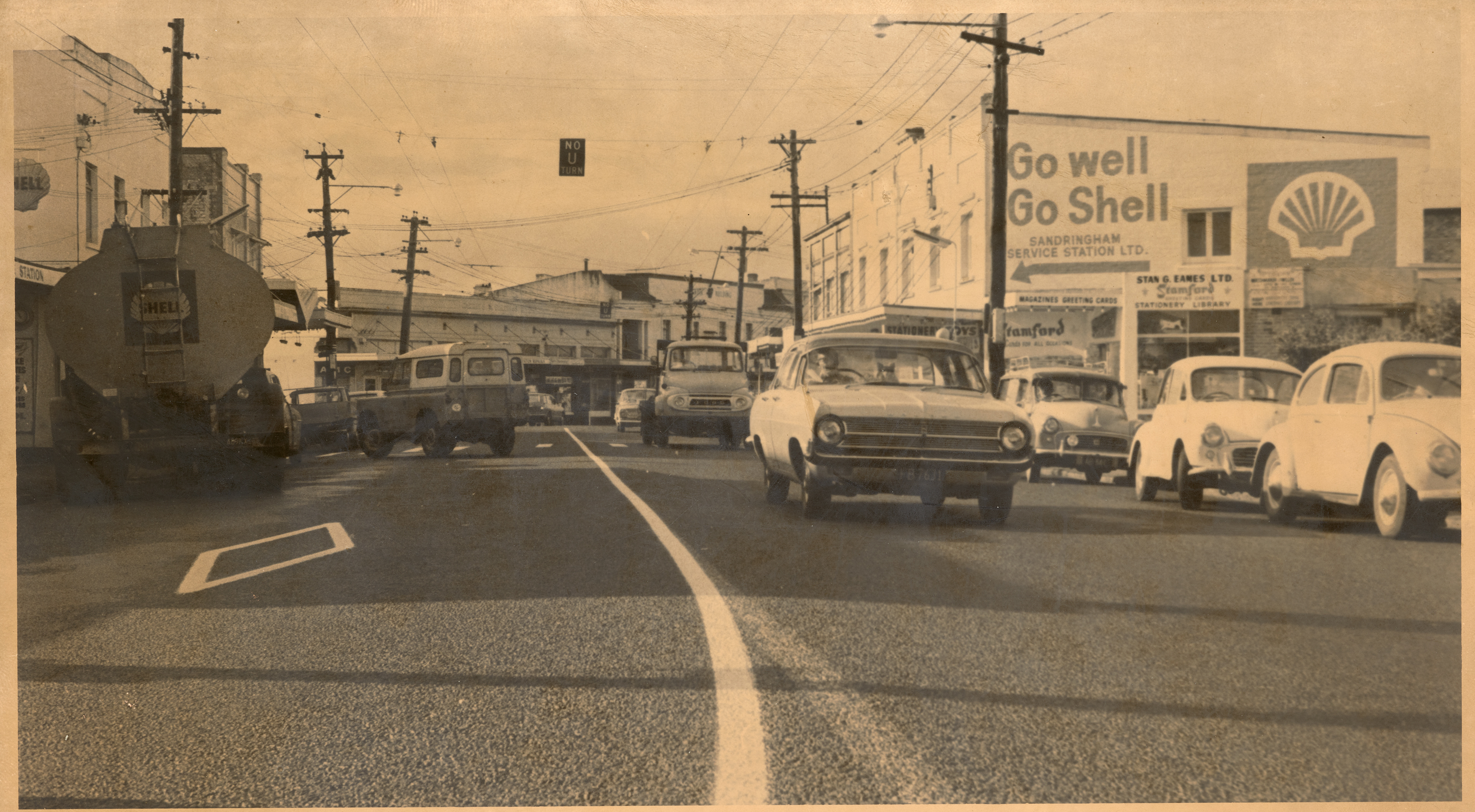
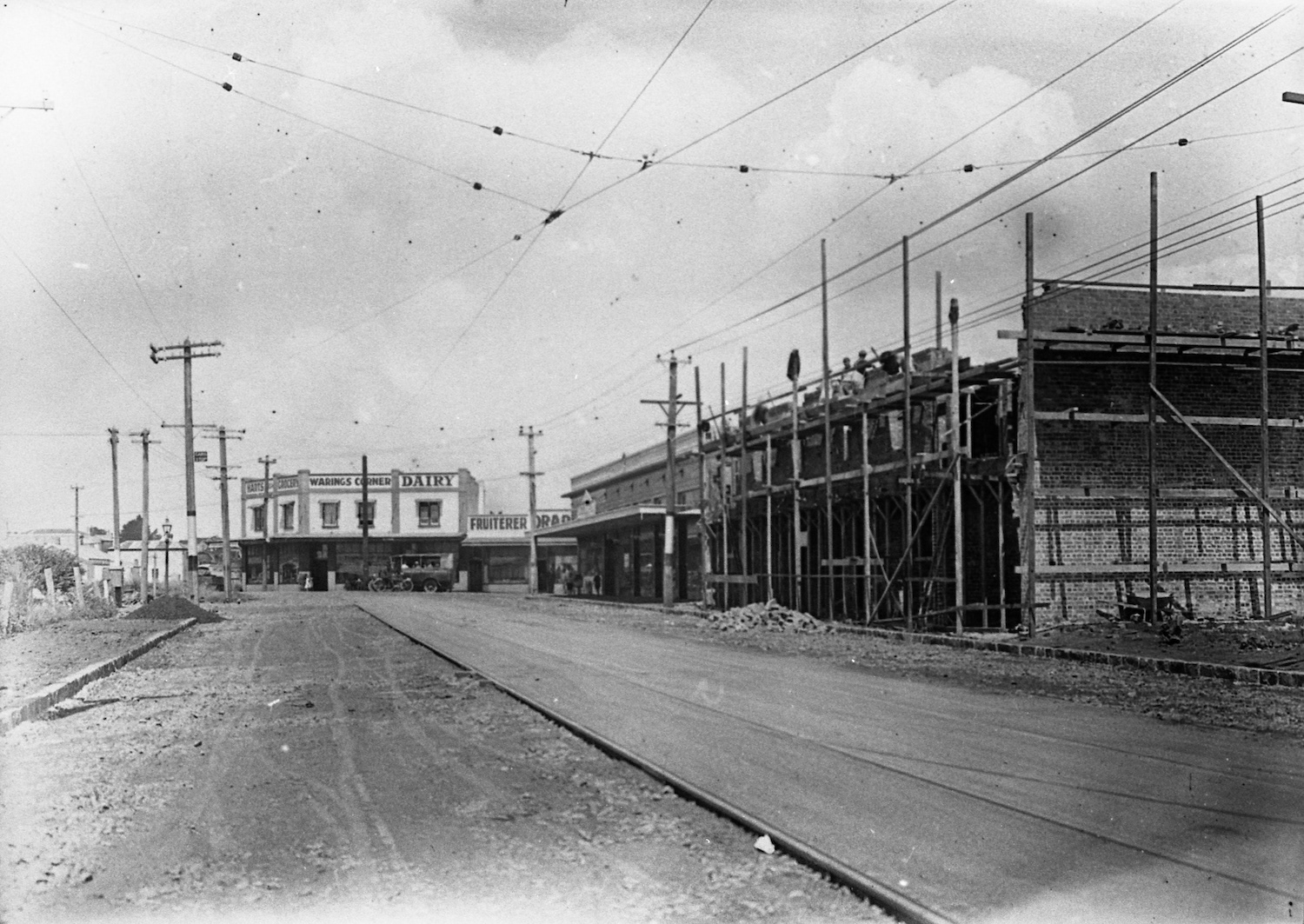
Photograph of Sandringham Village, circa 1970s. Unknown Photographer. Auckland Libraries Heritage Collections 957-630